Choose the decision-supporter
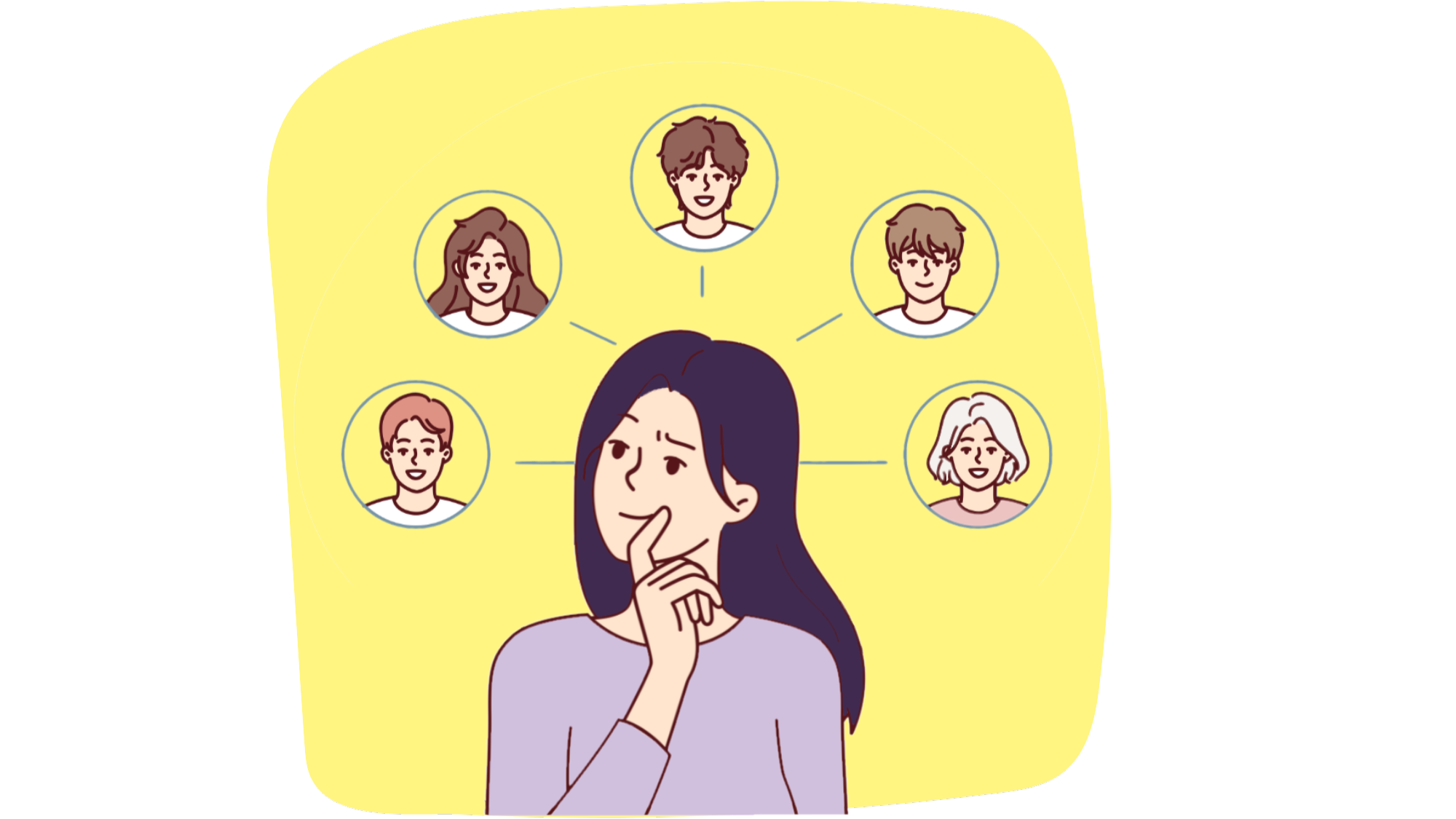
Good support needs the right people to be involved. Who would the decision-maker like to support them in this decision?
Alternate formats for this page
Choosing a supporter
The decision-maker thinks about:
- who would like to support you for this decision?
- who do you trust?
Decision-supporters might be:
- family members
- whānau
- friends
- neighbours
- co-workers
- faith community members
- support workers
- health professionals
- advocates
- experts.
Faith's story
- Faith likes a supporter who plays attention to details but is not too serious.
- She looks for a sense of humour and someone who is kind.
- Faith and her supporters are a team. They work together to explore different options. If things do not work out they always have a plan B.
You can learn more about Faith on this video. It is just over 1 minute long.
Video transcript
It means I can try and be confident of my decision that I’m making. I just need a little bit of support to be that little bit more confident, assuring myself with that decision.
For me, I am looking for a sense of humour. I am looking for a rigorous person to get along with. Not too serious but enough to go “OK we can do this or we can do that”.
So it’s kind of like, I like a person that is all-rounded, but also kind and nice.
We always go through different processes. With that it’s always teamwork.
We work together and if it does work out we have got plan 1, so process 1, process 2, that kind of jazz.
If you do have the right person at the time ask them “Is this the right decision to make or not?”
And if you don’t have the right person, find someone that you can. Always.
Brad and Colin's stories
- Brad chooses people he can trust to support his decisions.
- Trust is important for Colin too. He chooses people who will listen. He prefers to choose people he has known for a long time.
Learn more from Brad and Colin in this video. This video is 2 minutes long. It is shared from Kansas University.
Video transcript
How do you choose your supporters?
First speaker: Brad
How I choose my supporters is um I just get I just get a feel for who they are and which ones might be compatible with me and as long as I feel comfortable with them
And one of the big issues with me is that I feel like I have to have somebody that I really trust to be able to get the things done that I need to do on a daily basis
Second speaker: Colin
Well I I like people that know me.
I don't go with random people you know, I go with people whom I trust and is going to listen to me and help me make my decisions and knows me and a bit of my history.
You know medically especially financially, many of the people I already know and know with a bit of help I can make sound decisions.
So I go with people whom I know have had a good long-term relationship with I don't just do it with random people I just met yesterday you know
Voice over.
Thank you for watching this video. To learn more information, please visit self-determination.ku.edu or email kucdd@ku.edu
What a good decision-supporter does
- Supports the person to speak up for themselves.
- Builds confidence. They encourage and believe in the person’s capability to make decisions.
- Pays attention to what the person wants and thinks.
- Explains things in a way the decision-maker understands.
- Stays patient. Making decisions can take time.
- Respects choices. They don't try to control or force their own view.
- Remembers that cultural differences might affect how they give advice. If they notice this happening, they talk about it with the person they're supporting and other supporters.
- Is open and honest.
- Shares information with other supporters that the decision maker has chosen to work with.
Having a team can help
It is a good idea to have a team of people who can provide support in decision-making. This is sometimes called a Circle of Support.
Some helpful questions to find a team are:
- who does the decision-maker trust?
- who knows them best?
- who can support their cultural life?
- what type of decisions might they help with?
Different people can help with other types of decisions. A person can pick one supporter to help them make decisions in one part of their life. They can pick a different supporter to help them make decisions in a different part of their life.
Chris’s story
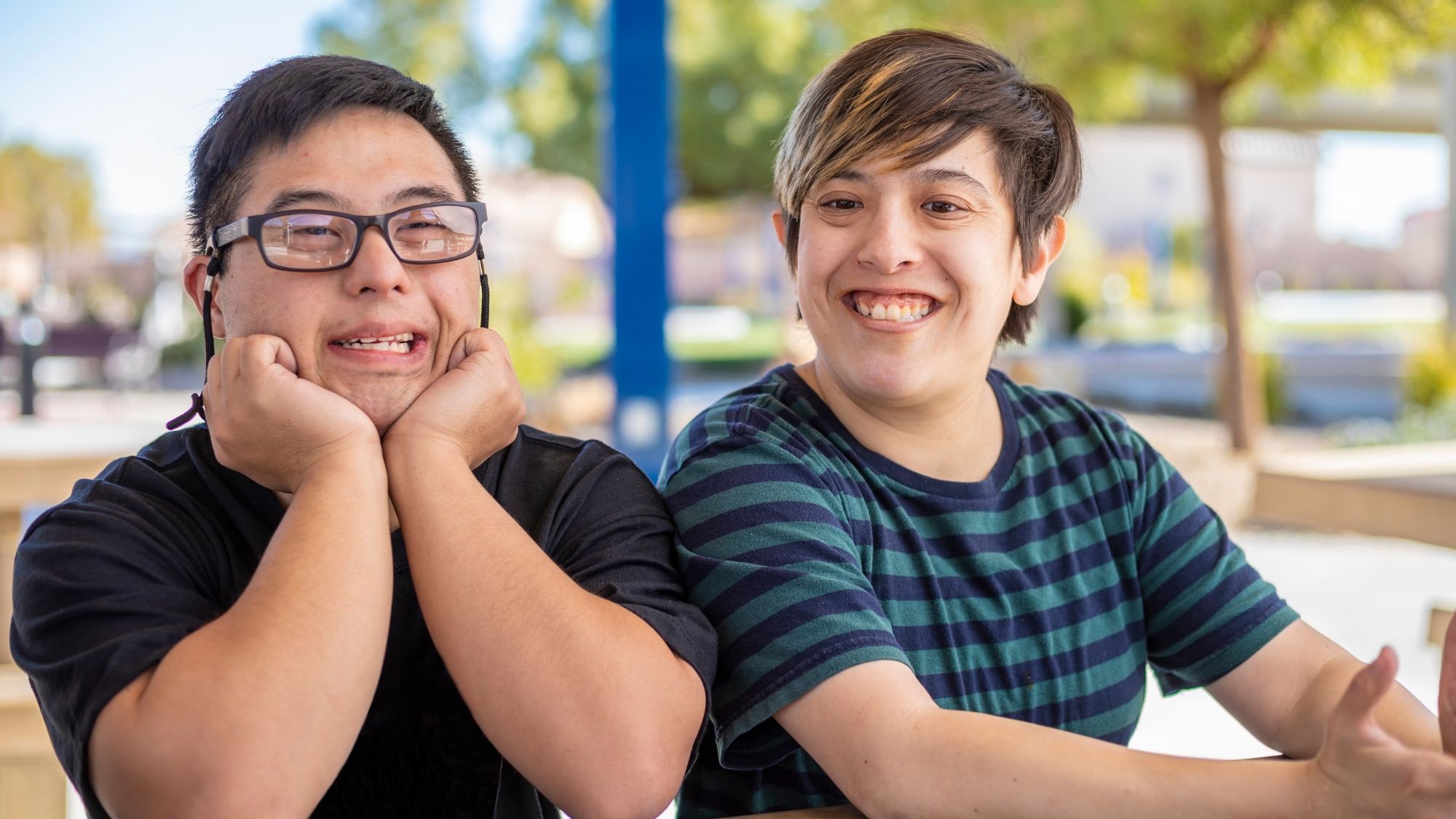
Chris has been dating Remi for several months. Chris is wondering about inviting Remi to stay the night. Chris would like some support to make his decision. He wonders about who to choose.
- Chris often asks his Mum to help him with health appointments and planning for the future.
- Chris knows that his Mum loves him and will look out for him. But Chris thinks he would be embarrassed to talk about this decision with Mum.
- Barry is Chris’s long-time friend. He knows Chris well. He wants Chris to be in control of his life as much as possible. Chris often asks Barry for support for lifestyle choices like clothes and holidays.
Chris thinks that he would feel more comfortable talking with Barry. Chris trusts Barry to have an open mind.
Find out more
"My Supporter Group” by Western Australia's Individualised Services external. This webpage has videos and tips about how to build a support team
Alternate formats for this page: Choose the decision-supporter
Audio (MP3 1.4MB)
Braille (BRF 2.9KB)
Easy Read (PDF 5 MB) This is long. For this page only see pages 12-19.
Large Print (Word 194 KB)
Large Print (PDF 150 KB)