Why is supported decision-making important?
The decisions we make matter - both big and small. These choices help shape our life's path.
Alternate formats for this page
Stories from Ameria, Paul, Caleb, Faith, Megan and Judy
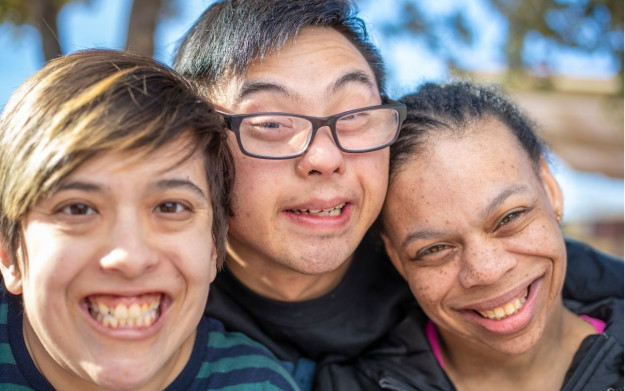
Ameria, Paul, Caleb, Faith, Megan and Judy use supported decision-making and think it is a good way to make decisions.
- Ameria, Paul, Caleb and Faith are decision-makers. They say making their own decisions makes them feel happy and proud.
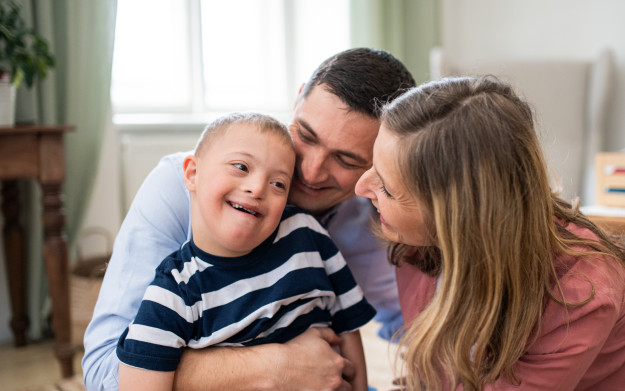
- Megan is a decision-maker supported by her mum, Judy.
- Judy is a decision-supporter for Megan. She says supported decision-making works well for her and her daughter Megan. It gives Megan more independence and builds her confidence.
You can learn more in this video. It is 2 minutes and 40 seconds long.
Video transcript
Ameria: When I make my own decisions I feel happy, great, confident and strong.
Paul: When I choose what I want to do I feel happy. I’m my own boss and my own human.
Caleb: I want to make my own decisions because I believe it will help me achieve my goals that I have set out for myself. I’m currently in the middle of writing my own songs, writing my own music. I have 4 songs of my own that I am hoping one day to put out there.
Ameria: My life has changed. I have been more happier, more myself, more proud of who I am because if I wasn’t in the kaha haka group then I wouldn’t know what I was going to do.
Paul: My support and I say I’m their boss. I can choose what I want to do in my life.
Faith: It means that I can try and be confident of the decision that I am making, but it needs a little bit of support to just be a little bit more confident, assuring myself with that decision.
Judy: It makes my life a lot easier. Megan is an adult and she is being treated like an adult. She has choices and makes decisions in her life and I think it lets her grow and gives her more responsibility.
Caleb: If there is any kiritaki that are out there wanting to do that talk to your staff, or management where you are, and just say I want to do this and they will help you do it. It worked for me.
Judy: Do supported decision-making it’s so much more rewarding because the person you are working with will understand what you want to do, they understand their choices, they get to make a choice and they feel in control of their life. This then grows their self-esteem and makes them proud of what they are doing.
Faith: When I make my own decisions I feel proud that I made a decision. Every day is a different day, so it depends on how I feel, but at least I tried right. It will broaden your horizons of being who you are. You are entitled to a decision whether its right or wrong.
Caleb: Go out there and just achieve your dreams. If there’s something you want to do talk to your staff or your manager and go from there. I have and I am still doing it now.
Paul: No one knows how a person like me thinks because people can’t see my disability. I call my disability a hidden talent. That’s what people need.
Empowering choices
Supported decision-making helps people:
- take more control of their lives
- learn how to make decisions better
- get support that is tailored to them
- take part more fully in their community, work, and social life
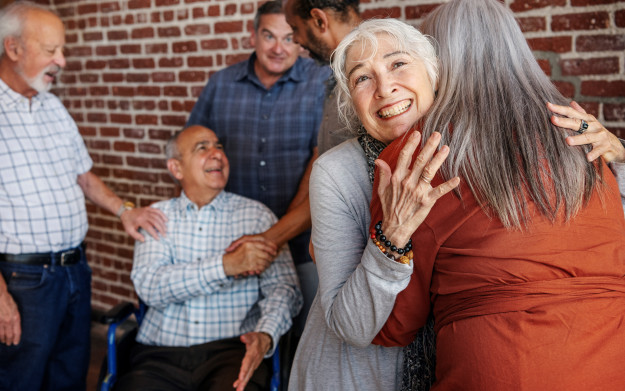
- feel respected and understood
- make informed decisions. Informed decision means carefully thinking things through. It means having all the important information before making a choice.
Honouring rights
Supported decision-making is a human right. A human right is a basic freedom or protection that every person should have because they are human. These rights are universal, meaning they apply to everyone, no matter where they live or what their background is.
Alternate formats for this page: Why is supported decision-making important?
Audio (MP3 931KB)
Braille (BRF 1.5KB)
Easy Read (PDF 4.1MB) This is long. For this webpage only see pages 1-11.
Large Print (Word 193KB)
Large Print (PDF 138KB)
Supporting human rights
Click on the topics below to find out about how supported decision-making helps us live up to important human rights principles.
-
UN Disability Convention
The UN Disability Convention says that disabled people have the right to get the support they need to make their own decisions.
-
Te Tiriti o Waitangi
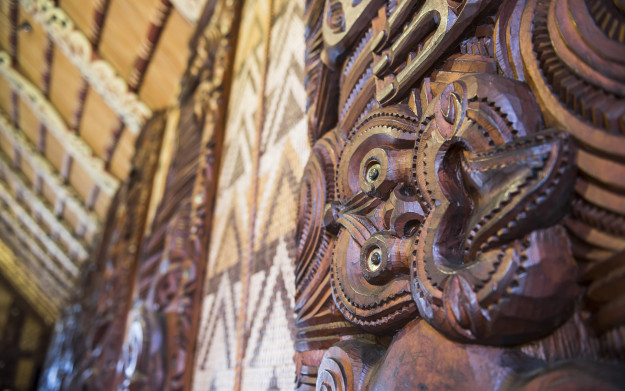
The values of Te Tiriti o Waitangi reinforce the importance of supporting Māori people to determine their own course of life (tino rangatiratanga).
-
Enabling Good Lives
Enabling Good Lives is an approach to supporting disabled people that offers more choice and control over the support they receive.
-
Safeguarding
Supported decision-making is key to safeguarding rights, wellbeing, and safety.
-
New Zealand Law Reforms
Proposed changes to New Zealand laws put more emphasis on using supported decision-making.